
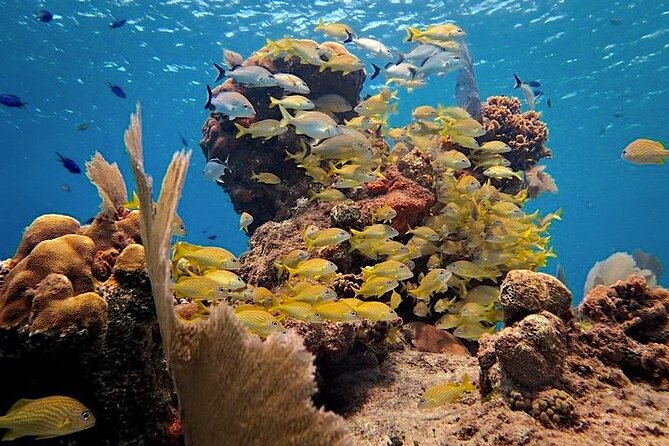
Get in the water first.
Palancar drift dives, the shallow bank at El Cielo, jeep tracks to the empty east shore and the caverns under the jungle: what each day is really like, what it costs, and where to book it.
Seven that fill a Cozumel week.
The drift over Palancar, the bank of white sand you wade out to at El Cielo, a day pass with a pool and a swim-up bar, an afternoon on a track to the shore where nobody swims. First trip or fifth, these carry the week.
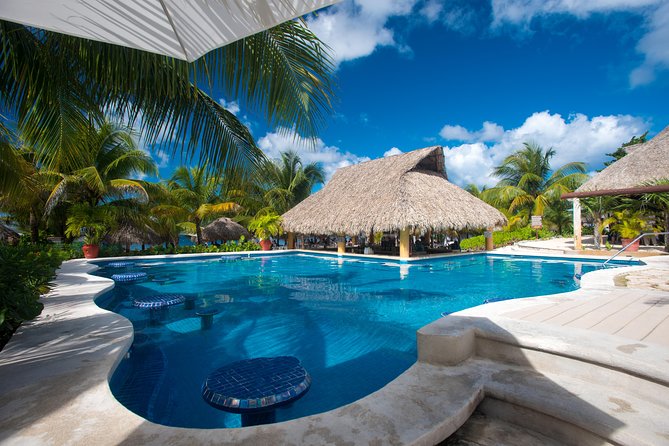
Mr. Sanchos Beach Club All-Inclusive Day Pass
Spend up to nine hours at Mr. Sancho’s Beach Club in Cozumel with reserved beachfront, unlimited food and drinks, and a kayak.
From $79 per person
Read the review → ★ 4.5Safe betParadise Beach Club All-Inclusive Day PassFrom $813,311 reviews
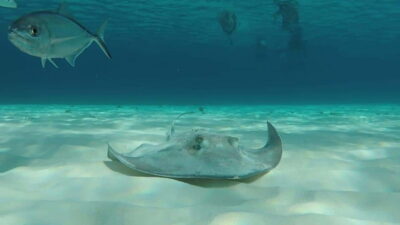 ★ 4.3Books out fastFrom Cozumel: 3 Reefs Boat Tour with Drinks and SnorkelingFrom $571,080 reviews
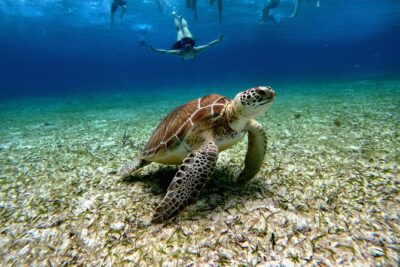
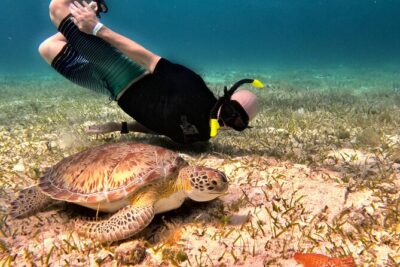 ★ 4.5Reef classicThe Cozumel Turtle Sanctuary Snorkel TourFrom $651,041 reviews
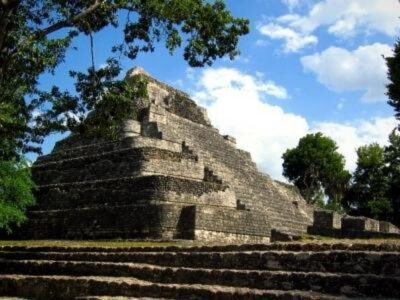 ★ 4.5Worth the early startSubmarine Atlantis Cozumel Adventure by Day & SunsetFrom $120770 reviews
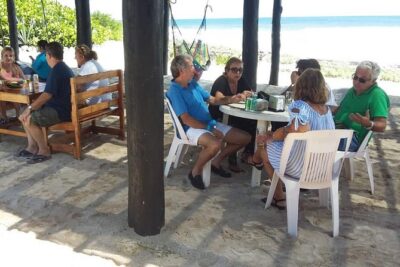 ★ 4.5Easy afternoonPrivate Jeep Excursion in Cozumel with Lunch and SnorkelingFrom $74718 reviews
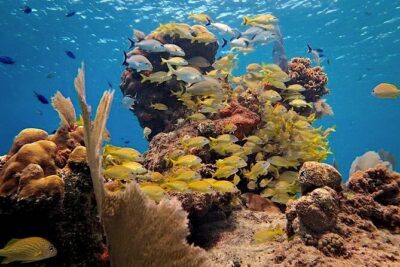 ★ 5.0Crowd favouriteDiscover Scuba Diving in Cozumel Paradise Reef686 reviews
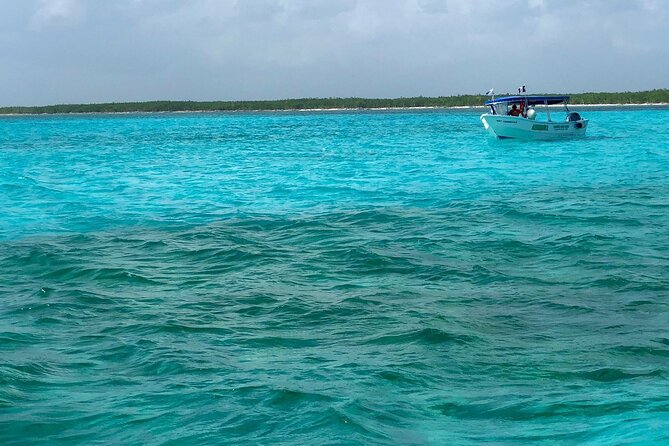
The sandbar you wade out to.
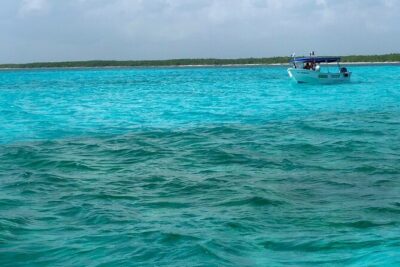
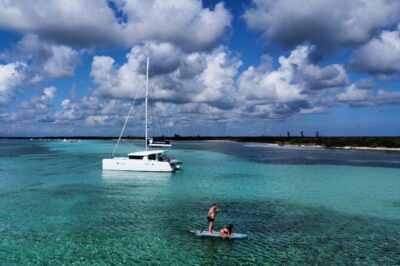
El Cielo is a shallow bank of white sand off the bottom of the island where the water sits waist-deep and bath-warm, with starfish on the floor and nothing on the horizon but the dive boats working Palancar. Most trips stop at two reefs on the way out and feed you on the way back.
How do you want to see the reef?
Everyone here ends up over the same coral. How you get down to it sets the shape of the day and most of the price. Three ways that work, and every option behind each one is priced and rated.
 No certification
The snorkel boat
4 hours (approx.) · 1,462 reviews
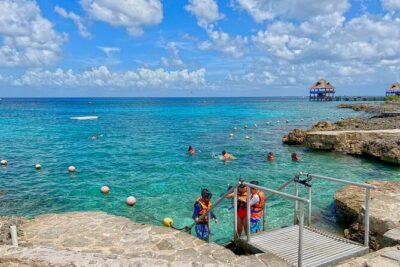
Two or three reef stops in a morning, fins and vest handed to you at the dock, a guide who spots the eagle rays long before you would. Palancar’s shallow gardens sit at four to eight metres, so the coral still reads sharp from the surface. This is the default for a first trip and the only one that works with kids aboard.
Compare the snorkel boats →
Bring your card
The drift dive
3 hours 30 minutes (approx.) · 686 reviews
You roll in, the current does the work, and the wall at Santa Rosa slides past for forty minutes without you kicking once. Two-tank mornings leave around eight and have you back for a late lunch. Operators want your certification and a recent logged dive, so pack both.
See the dive days →
Stay dry
The dry-feet version
2 hours (approx.) · from $120 · 770 reviews
A real submarine down past thirty metres, or a glass-bottom boat drifting over the shallow gardens. It is the version that survives a nervous swimmer, a pushchair, or a ship’s clock that will not stretch. Shorter and cheaper, and the reef underneath is exactly the same one.
See the dry-feet trips →
No certification
The snorkel boat
4 hours (approx.) · 1,462 reviews
Two or three reef stops in a morning, fins and vest handed to you at the dock, a guide who spots the eagle rays long before you would. Palancar’s shallow gardens sit at four to eight metres, so the coral still reads sharp from the surface. This is the default for a first trip and the only one that works with kids aboard.
Compare the snorkel boats →
Bring your card
The drift dive
3 hours 30 minutes (approx.) · 686 reviews
You roll in, the current does the work, and the wall at Santa Rosa slides past for forty minutes without you kicking once. Two-tank mornings leave around eight and have you back for a late lunch. Operators want your certification and a recent logged dive, so pack both.
See the dive days →
Stay dry
The dry-feet version
2 hours (approx.) · from $120 · 770 reviews
A real submarine down past thirty metres, or a glass-bottom boat drifting over the shallow gardens. It is the version that survives a nervous swimmer, a pushchair, or a ship’s clock that will not stretch. Shorter and cheaper, and the reef underneath is exactly the same one.
See the dry-feet trips →
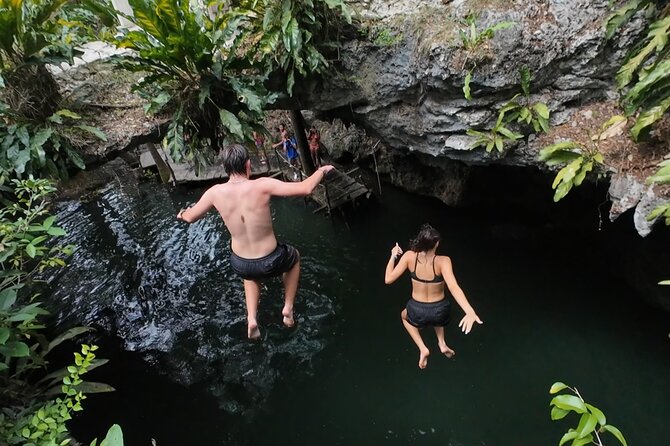
The island is hollow underneath.
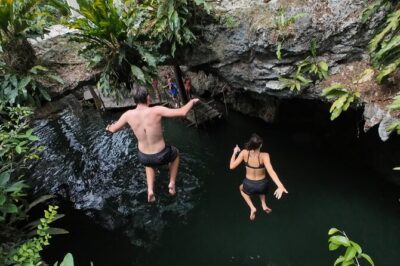
It is limestone the whole way down, and the rain has been cutting through it for a very long time. Jade Cavern opens into a chamber you swim across by headlamp; the cenotes across the channel are cold, glass-clear and completely still. Take a towel and shoes you do not mind soaking.
Somewhere to sit all afternoon.
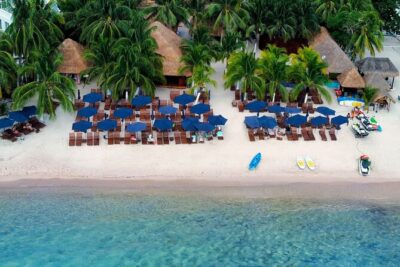
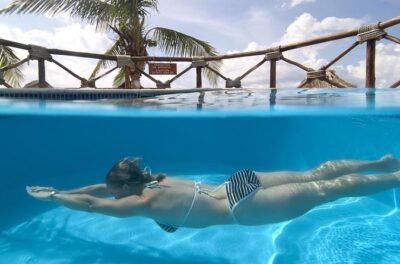
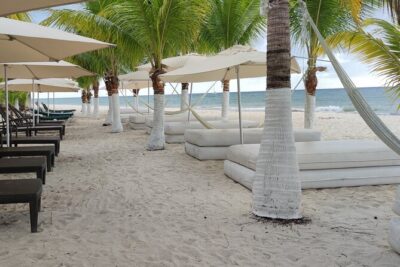
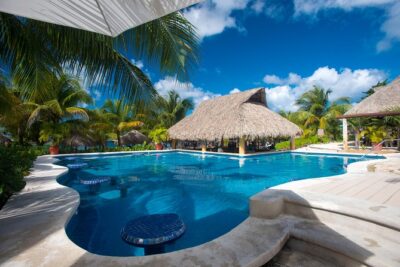
The west shore sells its beaches by the day: a lounger, a pool, a swim-up bar and lunch, from Chankanaab’s reef edge to the quieter clubs south of town. Pick by what you want to do between swims, because the water is calm at all of them.

The east shore has no lifeguards.
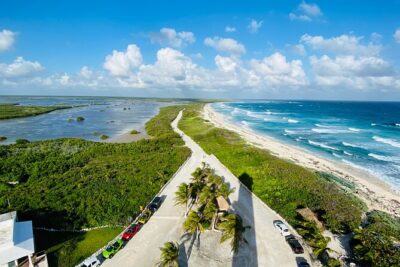
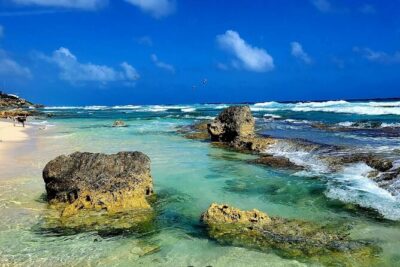
Cross to the windward side and the sea turns rough, the road empties out and the beach bars run on generators. Jeeps, buggies and quads all get you round there. What changes is who drives, how many stops you make, and whether lunch is waiting.


The island was a pilgrimage first.
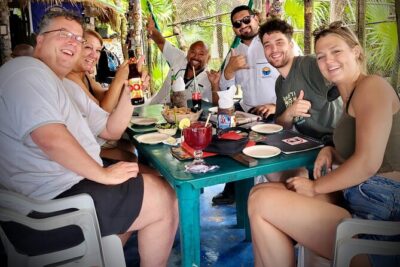
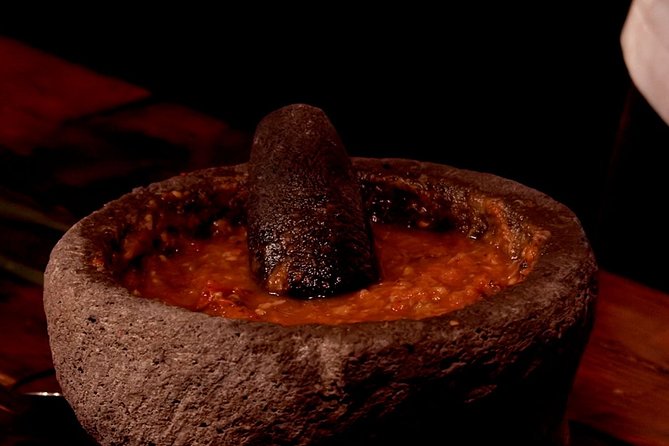
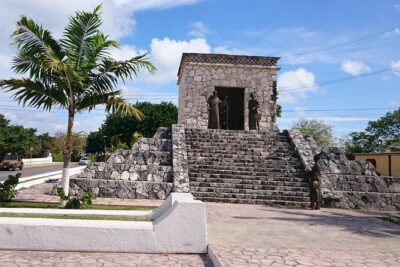
Maya women paddled across from the mainland to leave offerings for Ix Chel, and the stone platforms at San Gervasio are still standing in the scrub in the middle of the island. The living half is easier to reach: a village kitchen, a stone molcajete, tortillas pressed by hand while somebody explains what actually grows here.
Cozumel splits into a handful of places.
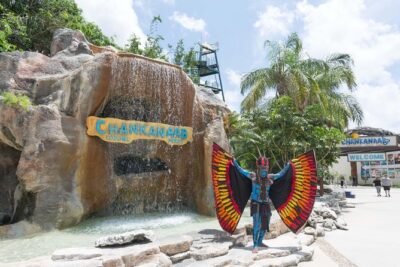
Cozumel is small and it divides cleanly. Palancar and Columbia for the reef wall. El Cielo for water you can stand up in. Chankanaab for a whole day without moving the car. San Gervasio for the stone.

Choose the day, then the boat.
Twelve ways to spend a Cozumel day, from a tank on your back to a lounger with a menu. Every option behind each one is priced and rated, so you can settle the kind of day first and the operator second.


Back at the pier by four.
The port turns over thousands of people a day and the trips that work are the ones already watching the clock for you. These run short enough to leave slack before all-aboard, and they all start within reach of the piers.
Three days on a small island.
You can circle Cozumel in an afternoon, which fools people into leaving the good part until last. Book the water on day one and let the weather decide the rest.
Day 1
Straight out to the reef
Take the morning boat while the sea is at its flattest and before you have committed to anything else. Two reef stops, back for lunch, then a beach club for the afternoon.
Plan day one →
Day 2
Cross to the other side
Pick up a jeep or a buggy and follow the coast road round. The windward beaches are empty, the bars serve until sunset, and the Punta Sur lighthouse is worth the detour on the way home.
Plan day two →
 Day 3
Go under, then inland
A cavern or a cenote first thing while it is still cool, San Gervasio after, and the last of the afternoon back on the water if the forecast holds.
Plan day three →
Day 3
Go under, then inland
A cavern or a cenote first thing while it is still cool, San Gervasio after, and the last of the afternoon back on the water if the forecast holds.
Plan day three →
Latest Cozumel tour reviews.
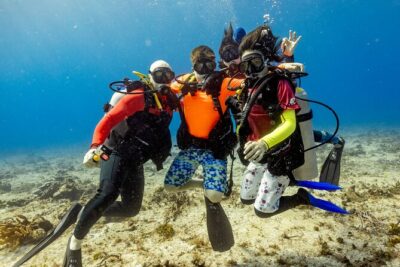 ★ 3.5Discover Diving in the Reefs of CozumelFrom $1103 reviews
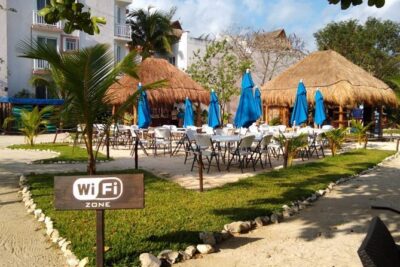 ★ 5.0Express Jeep Tour With Snorkel, Lunch, Mayan Town, East Coast and TequilaaaaaaaaFrom $893 reviews
 ★ 5.0Jeep Tour of Cozumel with Lunch and Beach ClubFrom $803 reviews
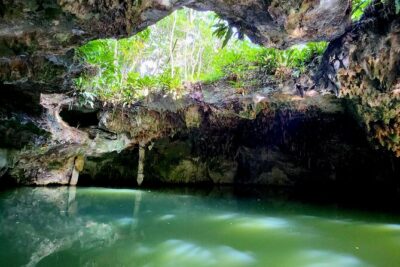 ★ 3.0Cozumel Jungle ATV Tour Adventure and Caverns with transferFrom $653 reviews
 ★ 4.0Amazing Jeep Tour Visit Punta Sur Park and San Gervasio RuinsFrom $953 reviews
 ★ 3.5Tequila History and Tasting Experience and Unlimited Beach BreakFrom $243 reviews
 ★ 4.5Rental Jeep Wrangler 4-Door Automatic 24h Cozumel ExcursionFrom $1003 reviews
 ★ 5.0Cozumel ATV Tour & Beach BreakFrom $1853 reviews