
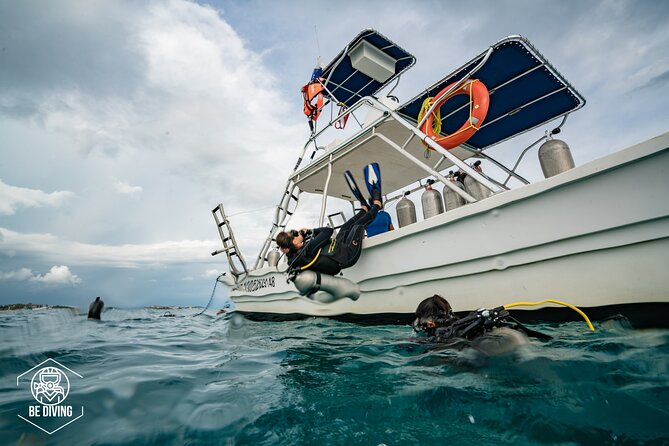
Reviewed · COZUMEL TOURS & EXCURSIONS
Open Water Course Cozumel
Cozumel scuba training, minus the long runway. In a tight 3-day plan, you can finish PADI Open Water Diver basics with real coaching and plenty of time under the water with instructors based at Be Diving Scuba Academy. You also get marine conservation lessons woven into the course, not tacked on at the end.
I like the way the program builds from practical skills to real confidence. The buoyancy-first approach shows up again and again in instructor feedback, and it helps beginners stop fighting the water. I also love the flexibility of the theory section, since it can be online or in a classroom, depending on your schedule.
One thing to consider is that you’ll want a little patience around timing. The experience depends on good weather, and the course length can shift to 2 or 3 days depending on availability and your group.
Key things to know before you go
- Finish quickly in 2 or 3 days based on your schedule and availability
- English instruction throughout the course
- Online or classroom theory so you can study your way
- A small pool for beginner buoyancy work before you hit open water
- Optional reef training around Cozumel as part of the open-water portion
- A team focused on safe, environmentally conscious scuba habits
A few other Cozumel trips at a similar price
- Cozumel: Paradise Beach Club All-Inclusive Day Pass
★ 4.5 · 3,311 reviews - ATV 4×4+Snorkeling+Beach Club+ Lunch+Sabores de Cozumel
★ 5.0 · 1,468 reviews - Cozumel Snorkeling Tour: Palancar, Columbia and El Cielo Reefs
★ 4.5 · 1,462 reviews - The Cozumel Turtle Sanctuary Snorkel Tour
★ 4.5 · 1,041 reviews
Price and what you’re really paying for
At $600 per person, this course sits in the “serious value” zone if you want real instruction and not just a ticket to water. You’re paying for structured PADI Open Water Diver coaching across all three phases: theory (knowledge development), controlled skills (confined-water sessions), and open-water practice.
What makes the value stand out is that you are not treated like a rush job. In multiple course experiences shared, instructors slowed down for comfort, repeated skills until you felt steady, and checked progress the whole way. That kind of pacing is what turns a certification from a checkbox into something you can actually use later.
Also, you get equipment as part of the course. That means you can show up without sourcing gear on your own, and your instructor can fit it correctly for your body size and comfort level.
One more “value” detail: the team emphasis is on responsible habits and marine care. If you care about not harming coral and want to understand how your actions matter, that worldview is part of what you’re buying here.
Where you start, and why the addresses matter
The experience starts in San Miguel de Cozumel, and it ends back at the meeting point. Your ticket redemption point is listed in Playa del Carmen, at 10 Avenida Nte. 173-5, Gonzalo Guerrero, 77710.
That two-location setup can feel confusing at first, but it usually means your exact pickup and routing can vary by day. My advice is simple: when you book, pay attention to the confirmation message you receive, then message the team if you want a clear “where do I stand at what time” answer. With scuba courses, that clarity saves stress.
This is also listed as a private activity, meaning only your group participates. That usually means more individual attention and less pressure from a large mixed-experience group.
How the PADI Open Water course flows in this program
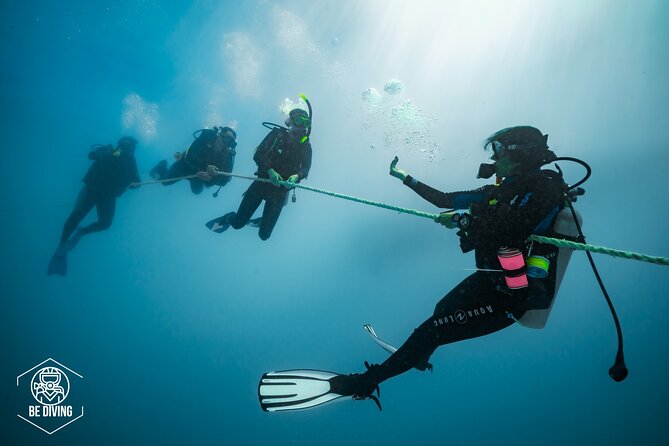
This course follows the standard PADI structure, but the way the days are paced can be efficient.
1) Knowledge Development: online or classroom
You’ll work through the knowledge phase, which covers basic scuba principles. You have options: study online on your own or handle it in a classroom format.
If you’re the kind of person who learns best by reading and reviewing on your phone or laptop, online theory can be a win. If you want a teacher to answer questions in real time, classroom theory helps you iron out confusion before you ever get wet.
Either way, your instructor checks that you understand the key scuba information you need for safe practice.
2) Confined-water sessions: skills, gear, and control
In the confined-water part, you learn the fundamentals and use the basic scuba kit: mask, snorkel, fins, regulator, buoyancy control device (BCD), and a tank. The goal here is not to show off. It’s to build muscle memory for safe, calm control.
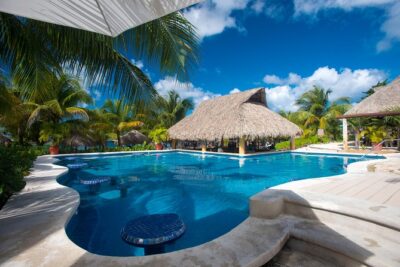
One detail I really like from the shared experiences: there’s mention of a tiny pool on site that’s used for efficient beginner buoyancy training. That kind of setup makes sense for first-timers because it reduces variables. You can focus on feeling your body position, staying balanced, and learning smooth movements without a big open-water environment.
3) Open-water sessions: using skills with your instructor
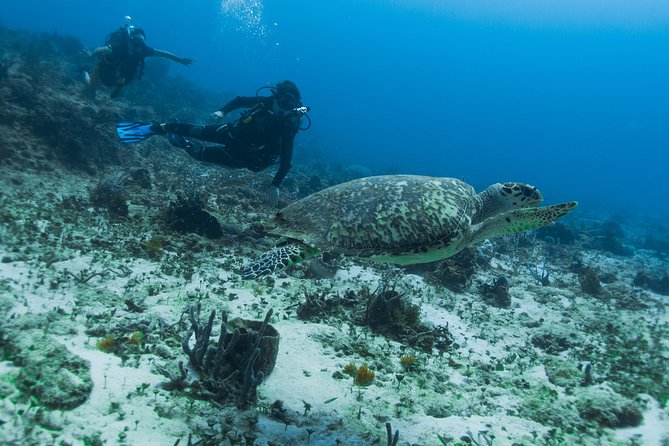
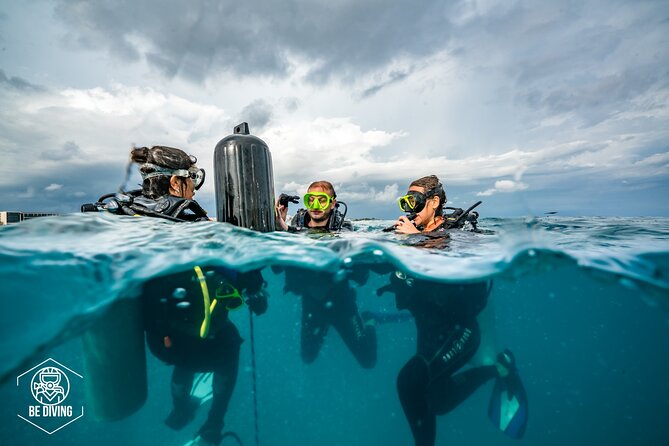
The open-water portion is where your training turns into guided real-world practice. You’ll practice offshore with your instructor and see more life along the water.
In one described course flow, the training included a ferry over to Cozumel and open-water sessions along the Mesoamerican reef. That means you are not just learning how to float and breathe. You’re using your skills in the scenery you came for.
Day-by-day feel: pool calm, cenote quiet, then Cozumel ocean
Even though the overall course is listed as around 3 days (sometimes 2 days), the rhythm is pretty clear when you look at what’s described.
Day 1 vibe: gear confidence and buoyancy basics
Your first major chunk of time is usually in the pool. This is where you learn how the gear works as a system, not as separate parts.
You’ll practice getting comfortable with the regulator, managing your buoyancy using the BCD, and learning how to move without panicking. I love that instructors repeatedly focus on fundamentals like trim and steady kicking methods from the beginning. Those basics tend to pay off later when currents, depth, and visibility get real.
If you’re nervous about your body position underwater, this pool phase is where you should feel that fear turn into routine.
Day 2 vibe: cenote practice in Tulum style
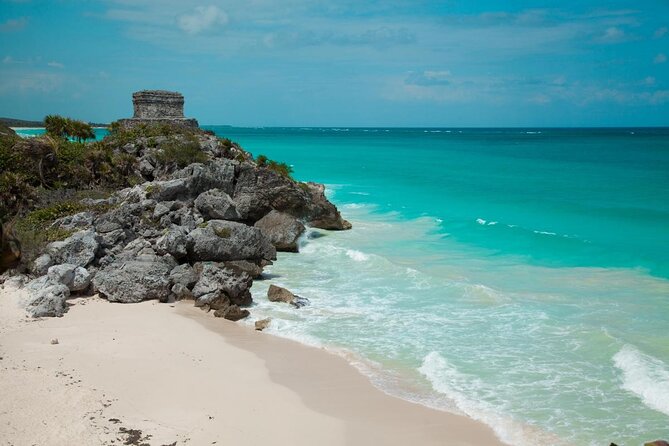
One course description includes a trip to Casa Cenote in Tulum, where the first two open-water sessions happen in that freshwater environment before heading back out to the sea.
Why that matters: cenotes often feel like a gentler learning step between pool and open ocean. You can practice your skills with a different kind of underwater “texture” and still focus on accuracy.
That same description also mentions that the crew handled travel and lunch, which is a big practical plus. You can focus on the tasks and not waste time coordinating the day.
Day 3 vibe: ferry to Cozumel and reef training
On the final stage, you head toward Cozumel for open-water sessions offshore.
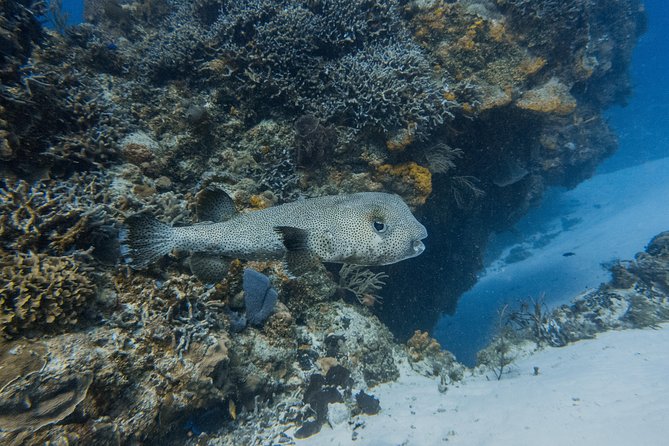
The reef area is where you get the payoff. You’ll be using the skills from your confined-water training while surrounded by more natural wildlife and bigger underwater space. In the shared experience notes, safety communication and clear goals before each day’s sessions were highlighted, which is exactly what you want when conditions are new to you.
Marine conservation training that shows up in real habits
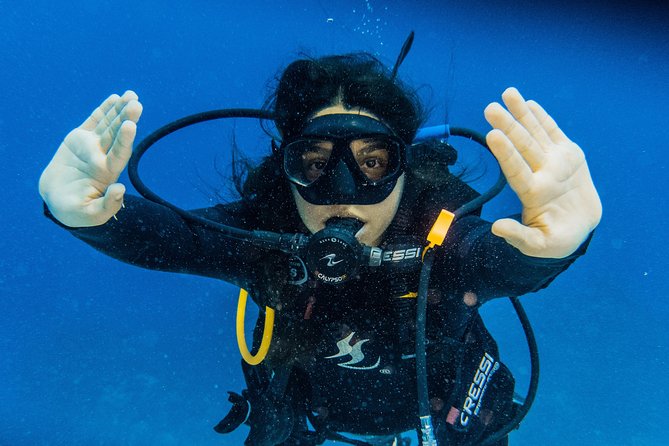
This course is built around more than spotting fish. In the shared instructor messages, the mission is repeated: take care of the environment and dive responsibly.
In practice, that often means learning how your movement affects coral and how to avoid stirring up the bottom. When instructors emphasize control, trim, and buoyancy, it’s not just about comfort. It’s also about reducing accidental contact.
I like that the conservation angle is treated as part of how you learn to be a diver, not a lecture you endure. If you’re excited to see marine life and want to keep it healthy for future divers, this “do it right from day one” mindset is valuable.
Safety, teaching style, and why the small details matter
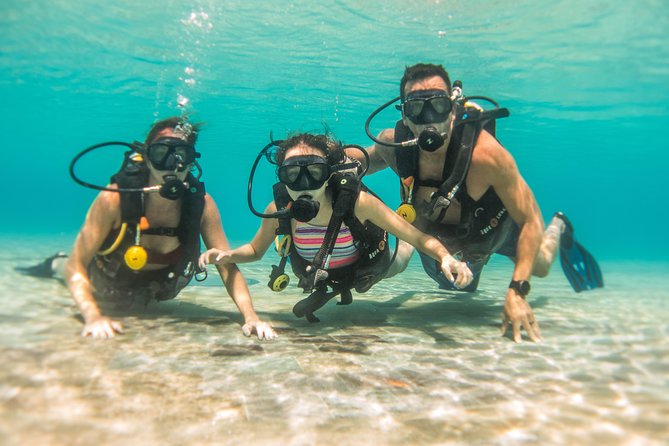
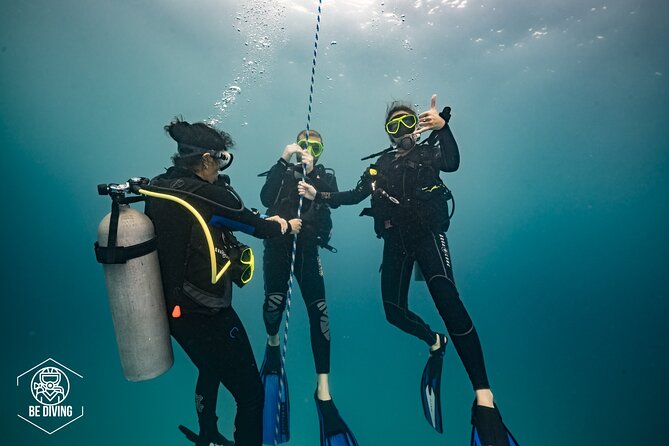
A lot of scuba training experiences depend on one thing: whether the instructor can teach calmly. In the course notes, you’ll see consistent praise for patience, clear underwater communication, and instructors taking enough time to let beginners practice until they feel ready.
Specific instructor names that come up in the experiences include Jon and Mariana. Cata is also mentioned as part of the teaching team. When you see this mix of professional instruction and careful pacing, it usually means you get both safety checks and real feedback on technique.
One very practical detail: instructors described an approach of empowering you to feel self-sufficient underwater, not dependent on the instructor for every decision. That matters because it gives your brain a workflow you can use on future trips.
Also, there’s mention of videos being taken during the course that you can buy afterward. If you’d rather not carry an action camera for a first certification, that’s a nice option.
Who should book this course in Cozumel
This is best for you if you:
- Want a PADI Open Water Diver certification with structured coaching
- Like the idea of theory that can be online or classroom
- Prefer small, controlled practice before you move to open water
- Care about learning how to behave responsibly around marine life
- Want an instructor-led pace that does not rush first-timers
It may be less ideal if:
- Your calendar is extremely tight, since the schedule can be 2 or 3 days based on availability and conditions
- You are not comfortable with the moderate physical fitness level noted for the experience
Is it worth $600? A value check
Let’s do the honest math of what you’re buying.
You’re paying for:
- Full course structure (theory, confined-water sessions, open-water sessions)
- Certified instruction in English
- Equipment included: mask, snorkel, fins, regulator, BCD, and tank
- A teaching approach focused on buoyancy, trim, and technique fundamentals
- Environmental responsibility as part of the learning process
You might also see added value in the way the day’s travel is handled. In one described setup, the team handled travel and lunch during the cenote portion. That kind of “we deal with the logistics” support is worth real money, especially if you’re trying to fit scuba training into a short Mexico trip.
At $600, this is a good deal if you want quality teaching and not just a minimum training package. If you already have the theory down and you know you learn faster than most people, you could find cheaper options elsewhere. But if you want solid fundamentals and a calm instructor who checks your progress, this price starts to look fair quickly.
Quick practical tips before you go
These aren’t “cool hacks.” They’re the boring things that help your course go smoothly.
- Study your theory early if you can, even if you choose classroom time later. It helps you move faster in skill sessions.
- Expect equipment fitting to take a little time. Ask for adjustments until you’re comfortable.
- Plan for moderate physical fitness. If you can walk, swim, and handle basic gear weight, you’ll be in a good place.
- If you’re worried about buoyancy, don’t fight it. Focus on slow, controlled breathing and gentle movements.
Should you book this Open Water course in Cozumel?
I’d book it if you want a certification that’s built on technique and comfort, not speed. The repeated themes from the teaching style you’ll experience, including patient coaching and fundamentals like buoyancy control and trim, are exactly what you need for your future scuba days.
If you’re a first-timer, the pool-first approach is comforting. If you already know you want to be a careful diver, the conservation mindset helps you learn the right habits from the start.
If your schedule is inflexible or you hate weather-based uncertainty, then consider that the experience requires good weather and the course can shift between 2 and 3 days.
In short: if you want to feel safe, learn properly, and get real underwater time, this is a smart bet.
FAQ
How long is the Open Water course?
The course is listed as approximately 3 days, and it can be completed in 2 or 3 days depending on availability.
How much does it cost?
The price is $600.00 per person.
What language is the course taught in?
The course is offered in English.
What parts of the PADI course will I do?
The course includes Knowledge Development (online or classroom), confined-water skills sessions, and open-water sessions.
Where does the course start and end?
It starts in San Miguel de Cozumel, Quintana Roo, Mexico, and ends back at the meeting point.
Where is the ticket redemption point?
The ticket redemption point listed is 10 Avenida Nte. 173-5, Gonzalo Guerrero, 77710 Playa del Carmen, Q.R., Mexico.
What is the cancellation policy?
Free cancellation is available. You can cancel up to 24 hours in advance of the experience for a full refund, and cancellations inside 24 hours are not refunded.
What happens if weather is bad?
The experience requires good weather. If it’s canceled due to poor weather, you’ll be offered a different date or a full refund.
More Tour Reviews in Cozumel

More Cozumel Tours & Excursions in Cozumel
Just added to the Cozumel guide
- Express Jeep Tour With Snorkel, Lunch, Mayan Town, East Coast and Tequilaaaaaaaa★ 5.0 · 3 reviews
- Discover Diving in the Reefs of Cozumel★ 3.5 · 3 reviews
- Cozumel Jungle ATV Tour Adventure and Caverns with transfer★ 3.0 · 3 reviews
- Jeep Tour of Cozumel with Lunch and Beach Club★ 5.0 · 3 reviews
- Rental Jeep Wrangler 4-Door Automatic 24h Cozumel Excursion★ 4.5 · 3 reviews
- Tequila History and Tasting Experience and Unlimited Beach Break★ 3.5 · 3 reviews
Cozumel Tours & Excursions, side by side.
 ★ 4.5Paradise Beach Club All-Inclusive Day PassFrom $813,311 reviews
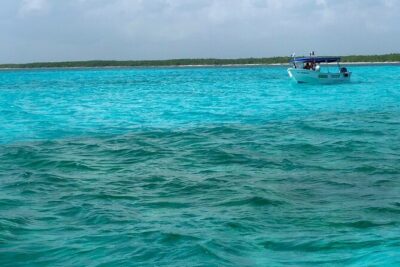 ★ 4.5Cozumel Snorkeling Tour: Palancar, Columbia and El Cielo Reefs1,462 reviews
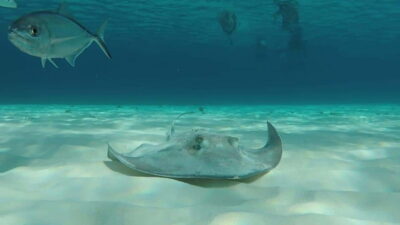 ★ 4.3From Cozumel: 3 Reefs Boat Tour with Drinks and SnorkelingFrom $571,080 reviews
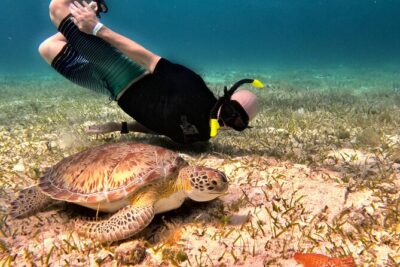 ★ 4.5The Cozumel Turtle Sanctuary Snorkel TourFrom $651,041 reviews
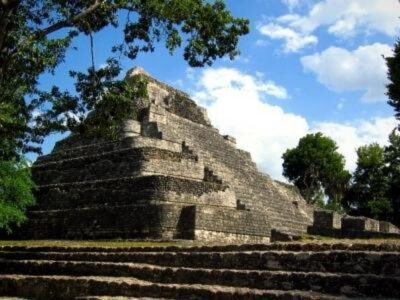 ★ 4.5Submarine Atlantis Cozumel Adventure by Day & SunsetFrom $120770 reviews
 ★ 4.5Private Jeep Excursion in Cozumel with Lunch and SnorkelingFrom $74718 reviews
 ★ 5.0Discover Scuba Diving in Cozumel Paradise Reef686 reviews
 ★ 5.0Cozumel Food TourFrom $110641 reviews