
Reviewed · SCUBA DIVING
From Cozumel: Double Tank Scuba Diving for Certified Divers
Cozumel reefs make scuba people happy. I like the world-class reef choices and the calm, safety-first coaching from the team at Cha Cha Cha Cozumel, with guides such as Carlos, Juan Pablo, and JP helping keep the day relaxed. The water is usually very clear, so you actually get to see the highlights instead of just getting wet. The main drawback to plan for is the extra $12 USD National Marine Park entry fee (plus any rental or towel choices you make).
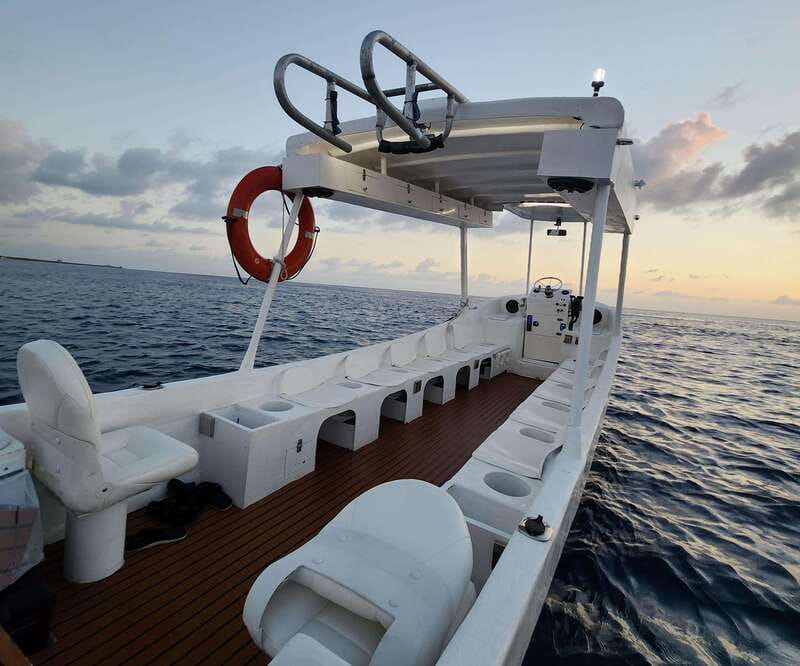
This is a small-group half-day plan built for certified divers who want more than one underwater stop. You get a short speedboat ride out, two reef sessions (about 45 minutes each), and a 45-minute break on board where you can reset and drink something cold before heading back down. Site selection changes based on weather and currents, so you are not locked into one location no matter what Mother Nature does.
Key things to know before you go
- Small group, up to 6 people, so you get more individual attention
- Two tank sessions with time for safety checks and a relaxed pace
- Reef locations are weather and current dependent, so conditions can vary day to day
- Often excellent visibility (commonly over 30 meters, about 100 feet)
- Comfort touches on the boat, including light refreshments and fresh fruit between stops
- National Marine Park entry is extra, typically $12 USD per person
Other dive days out of San Miguel De Cozumel
- Cozumel: SeaTrek Underwater Helmet Diving Experience
★ 4.9 · 11 reviews - From Cozumel: Double Tank Scuba Diving for Certified Divers
★ 5.0 · 6 reviews - Cozumel: Discover Scuba Diving for Non-Certified Divers
★ 5.0 · 3 reviews
Why Cozumel fits a two-tank plan so well
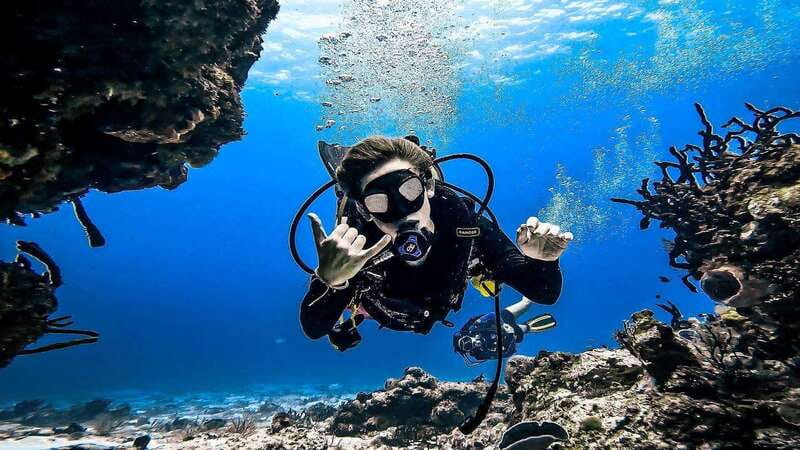
Cozumel is one of those places where the “short trip” version still feels full. You are in the Quintana Roo area, and the reefs around Cozumel are protected inside the Arrecifes de Cozumel National Marine Park, which helps explain why the ecosystem stays so lively.
For a two-tank format, that matters. You get one stop to get your bearings underwater, then you get a second stop picked to match the day’s conditions. The operator also chooses sites based on weather, currents, and diver experience, which is practical. It means you are less likely to end up stuck in the wrong conditions for your skills that day.
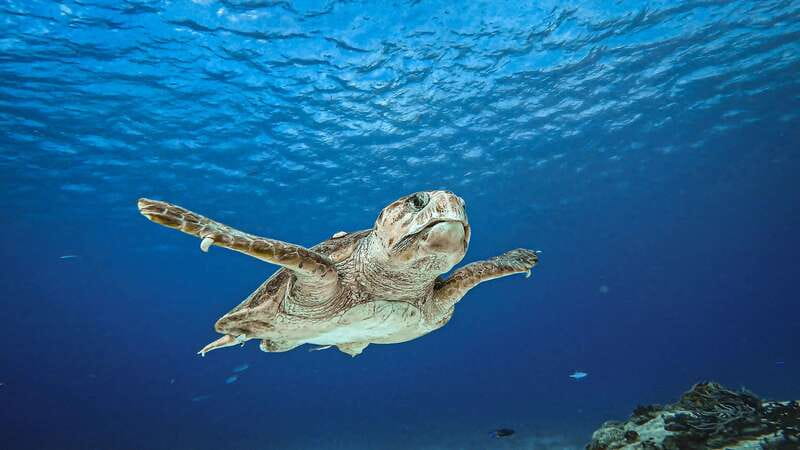
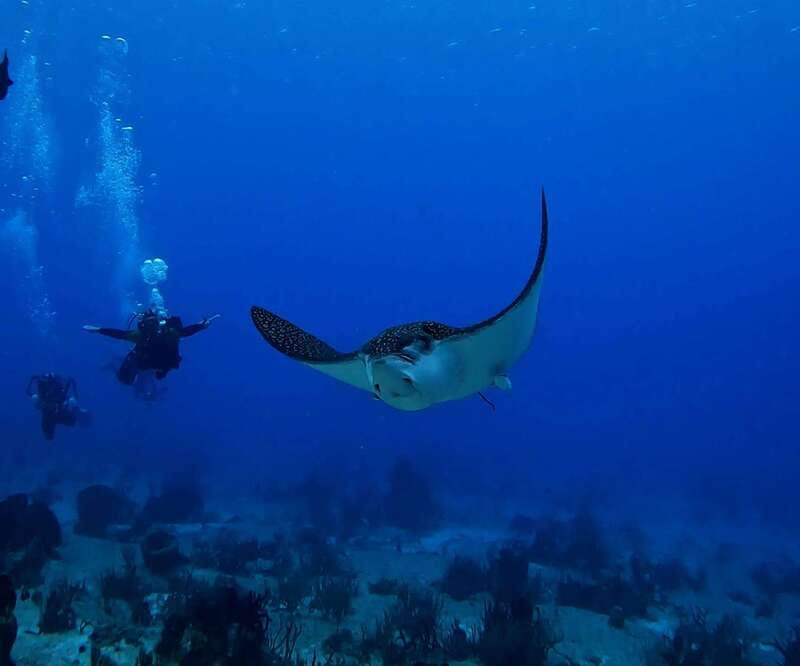
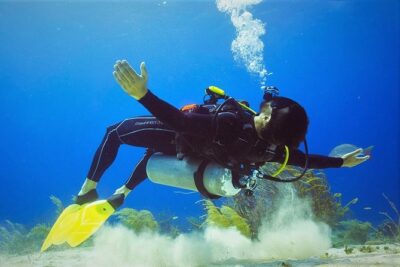
What you’re looking for here is classic reef scenery: dramatic drop-offs, coral tunnels and swim-throughs, plus a solid mix of turtles, rays, moray eels, nurse sharks, and lots of tropical fish. You might not see every animal every time, but the odds are good when the water is clear and the site matches the plan.
Getting started at Cha Cha Cha Cozumel and meeting up fast
Your meeting point is in the waiting area next to a drug store, and your guide looks for you there. That sounds simple, but in Cozumel port schedules, being easy to find makes a big difference, especially if you are on a cruise timeline.
The tour starts at the Cha Cha Cha Cozumel shop area, then you head out by speedboat for about 20 minutes. Expect the crew to use that time for a quick operational reset, then you arrive at the first reef location with enough time to get sorted without feeling rushed.
They also handle the practical stuff that can steal your time elsewhere. You skip the ticket line, and the crew provides tanks and weights, so you are not hunting for gear at the last minute.
Bring a passport or ID card, plus proof of your scuba certification. And do read the rules about what is not allowed: no touching animals or touching exhibits, and no weapons or sharp objects. The goal is simple, protect the reefs and keep everyone safe.
The speedboat ride, the real purpose of “20 minutes”
The 20 minutes by speedboat is not just transport. It is part of the value because it gets you to reef areas quickly enough that the day stays focused on the water sessions, not the commute.
On calm days, the ride also helps you mentally shift from land mode to underwater mode. You’ll feel the day click into place, then you are ready for the first safety check and briefing.
And since site selection depends on weather and currents, that boat time gives the crew flexibility. They can adjust to the best conditions instead of forcing the schedule around one fixed spot.
Stop 1: your first reef session and what to watch for
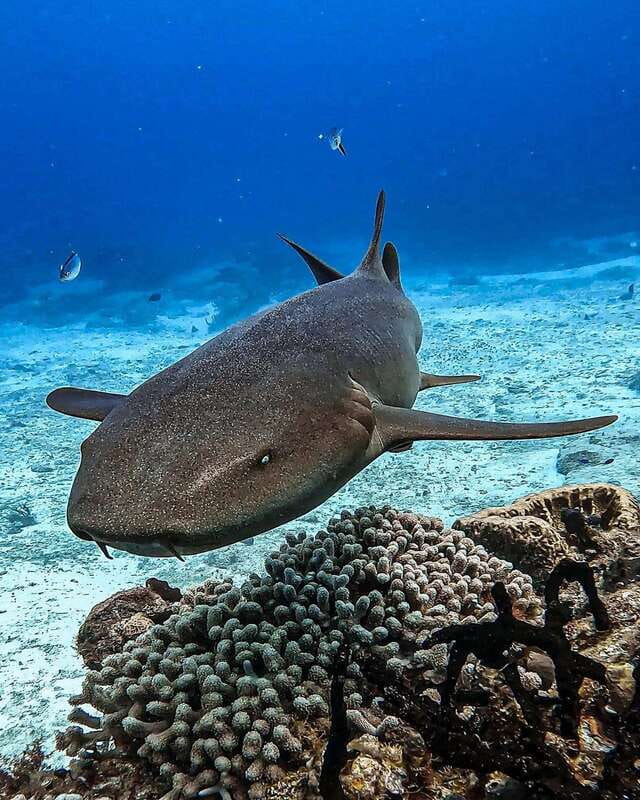
The first reef stop is where you’ll get your rhythm. You should expect a marine life viewing setup, plus a safety briefing before you go in for about 45 minutes.
This first session is often about two things:
1) settling into buoyancy and comfort with your gear, and
2) starting to clock what the reef is doing that day.
That matters because Cozumel reefs can show different “moods.” The operator targets sites like Palancar Gardens, Santa Rosa Wall, and Colombia Reef depending on conditions, and each has a different feel. Palancar areas are famous for coral structure and swim-through possibilities, while wall-style locations can give you a strong sense of depth and drop-offs.
In terms of life, keep your eyes open for turtles and rays moving through the water column, and for smaller reef residents that show up when the current is cooperating. Moray eels can be very patient, and nurse sharks are another species people hope to spot, especially when the site and visibility are right.
Also, with a small group, the guide can tailor the plan to your comfort level and preferences. That customization is one of the big reasons people love this format, because it doesn’t feel like a one-size-fits-all checklist.
A small consideration for Stop 1
Because this is rain or shine, you might arrive wet or choppy depending on the weather. The tour runs unless port closes due to heavy weather, so plan for the fact that conditions can affect how you feel at the start. Once you get in and get your breathing sorted, most people settle quickly.
The 45-minute break: fruit, drinks, and resetting your gear
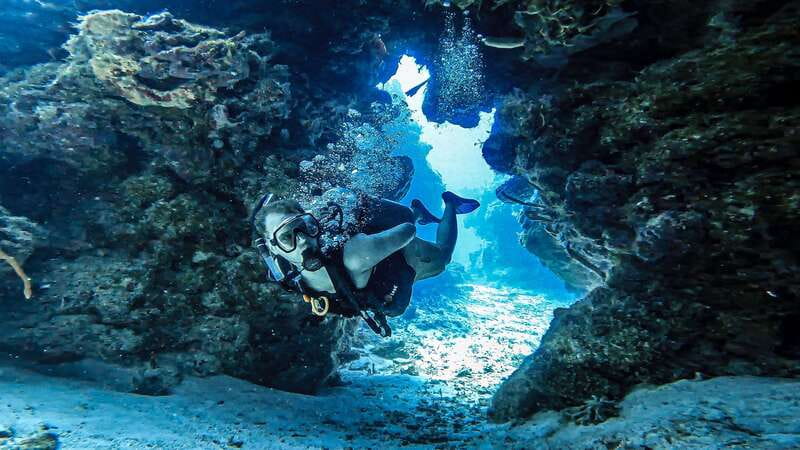
Between the two sessions, you get about 45 minutes break time on the boat. This is the part I genuinely like, because you are not just sitting there thinking about what you forgot to bring.
This crew provides fresh fruit, and I love that they do it in a way that feels like a real pause, not a snack afterthought. In the past, the platter included mango, pineapple, melon, and cookies, with plenty of drinks alongside.
Also, this break is where you can talk to your guide about what you noticed and what you might focus on next. If you are a bit tense after the first stop, this is when you can calm down, recheck your gear, and mentally plan the second session with a clearer head.
From a practical point of view, 45 minutes is long enough that you can actually use the time. Shorter breaks can make the second session feel rushed. Here, it tends to feel like a full half-day experience.
A few other Cozumel trips at a similar price
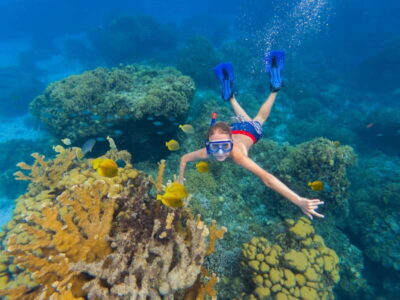
Stop 2: second reef session, same timing, different odds
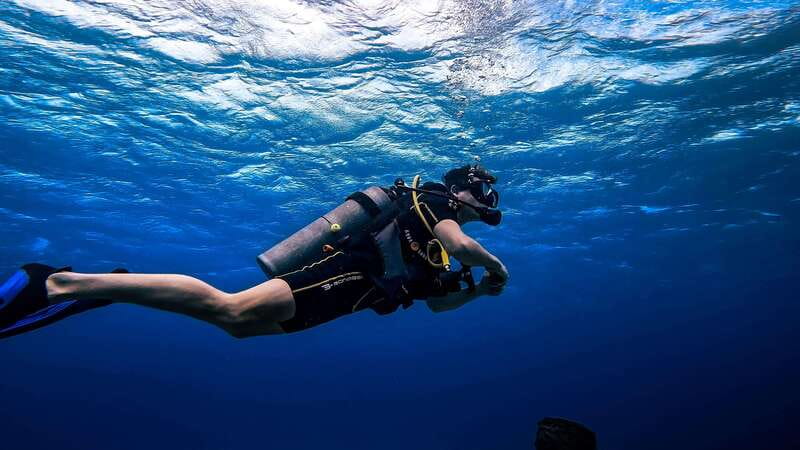
Your second reef stop runs again around 45 minutes underwater, with more marine life viewing and another safety briefing style reset. Since the operator picks locations based on the day’s currents and visibility, the second site might deliver a different kind of reef experience than the first.
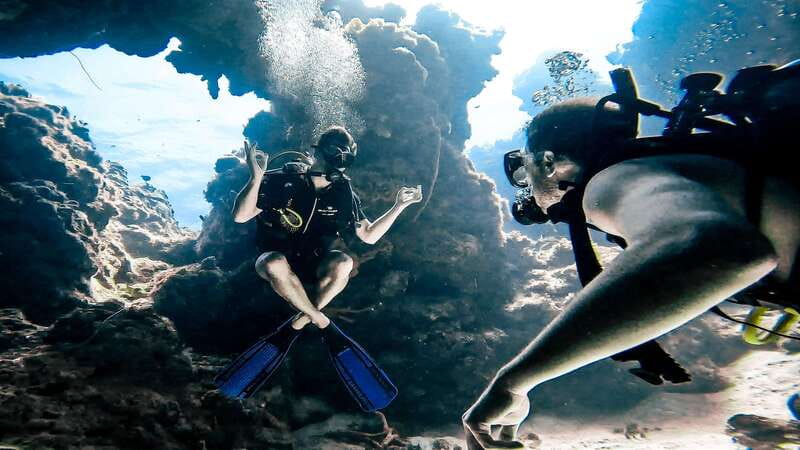
This is where you often get the “wow” moments people remember, especially in clear water. Cozumel reefs are known for tunnels and swim-throughs, and some sites can offer coral-covered passages that look like underwater architecture.
One of the most praised aspects of this trip is how guides handle match-up between the group and the conditions. Carlos, for example, is noted for tailoring the plan to experience level and interests, which means you are more likely to get the kind of reef time you signed up for, instead of just getting through the checklist.
If you like dramatic coral structure, expect to see reef edges and coral shapes that create depth and movement. If you like wildlife, the second stop can increase your chances of spotting things like turtles and rays, since the guide can adapt to how the animals are behaving in the current.
Timing that helps with port schedules
If you are on a cruise and you’re working against time, the pace matters. This tour is designed as a 4-hour total experience, with the boat rides and between-stop break built in. People have specifically said the team worked with tight schedules and still kept enough time for necessary safety checks.
What’s included, what costs extra, and how to judge the value
At $168 per person for a 4-hour, two-tank scuba experience, the value comes from what you do not have to manage.
Included:
- Two tank sessions with a certified dive professional (dive is part of the category name, but the service is hands-on instruction and supervision)
- Small group attention, capped at 6 participants
- Fresh water, sodas, and light refreshments on board
- Tanks and weights
Not included:
- National Marine Park entry, $12 USD per person
- Towels, though ponchos are available for purchase
- Diving equipment rental, if you do not bring your own
Also, skip the ticket line is included, which is underrated if you want the day to start smoothly.
Here is how I think about the math. The $12 park fee is the one predictable extra that you should budget for. After that, the main cost question is equipment. If you already travel with a complete kit, you can keep costs down. If you do not, equipment rental can add up, but the operator being able to provide tanks, weights, and the structure of a guided day often balances that.
What makes the price easier to accept is the small group size. Larger groups can mean less attention and less flexibility. Here, the crew can tailor the plan, and that can translate into a better experience, especially if you care about wildlife, reef structure, or your own comfort level.
Safety and comfort, without turning the day into a lecture
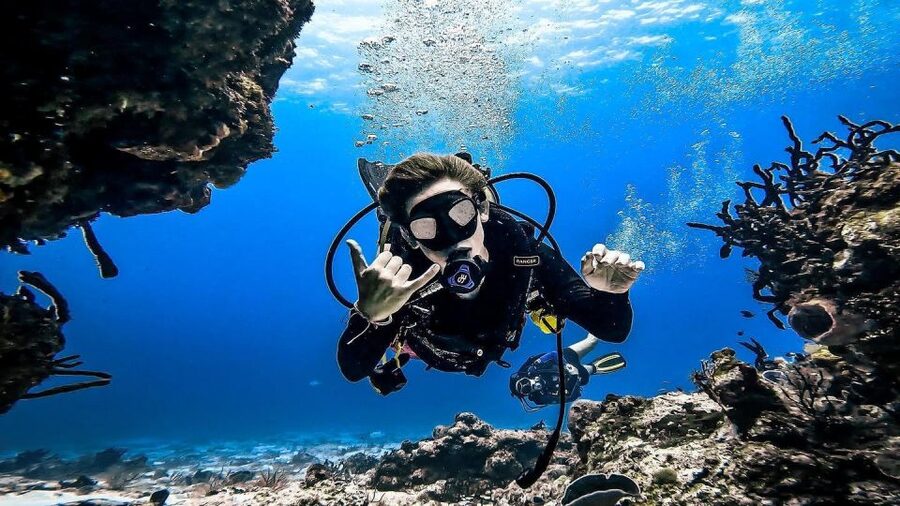
The tone on this kind of trip is usually where the real difference shows up. In this case, the operator focuses on safety while keeping things relaxed.
You can expect:
- Certified instruction or supervision throughout
- Safety briefings before each underwater session
- A plan adjusted for weather, currents, and diver experience
- Group sizes limited to 6 participants, which helps the guide keep an eye on everyone
There are also clear boundaries that help keep the reef healthy and the water experience calm. No touching animals or exhibits. No weapons or sharp objects. Those rules are standard for good reef stewardship, and they also reduce risk from accidental contact.
Who should think twice
This trip is not suitable for pregnant women, children under 8 years, people with heart problems, or anyone with mobility impairments. If any of those apply, skip it and look for alternatives that fit better.
And remember the weather rule: the tour runs rain or shine unless port closes due to heavy weather. That means you should pack with the idea that you might get damp and still need to head out.
Guide quality: how Carlos, Juan Pablo, and JP shape the day
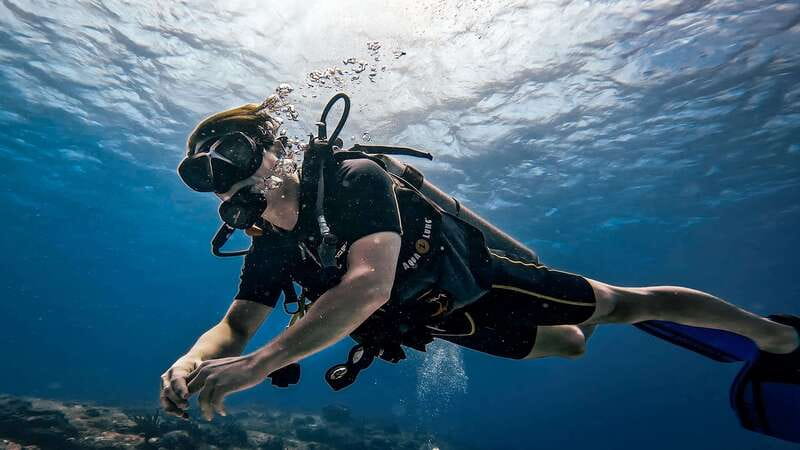
The biggest praise in the experience is not the reef alone, it’s the people guiding the day.
Carlos gets singled out for being one of the best scuba instructors people have had, with an emphasis on tailoring the sessions to experience level and interests. Juan Pablo is also mentioned with high marks for attention and monitoring. JP, the owner, is praised for communication, which matters a lot when you are trying to coordinate a timed activity in a port town.
What does that mean for you? It means the crew is likely to:
- explain clearly in English or Spanish
- adjust the plan when the group is ready for more or needs a gentler pace
- help reduce uncertainty, especially on the first session of the day
One more small but important quality point: equipment readiness. People have commented that provided gear and setup felt organized and in good condition, and that can prevent a whole lot of stress right before you enter the water.
Little planning tips that make your day smoother
Here’s what I’d do if you want this to feel effortless.
- Double-check you have your certification card or proof before you leave the hotel
- Bring a passport or ID card since it is specifically required
- If you run cold easily, ask about what to wear under your gear, because you’ll be on a boat outdoors
- If you do not have your own kit, confirm what rental includes before you show up, since equipment rental is not listed as included
- If you forgot your towel, plan to buy a poncho or use what you can on-site, since towels are not included
Also, if you are cruising, keep your internal buffer. Even though the trip is designed to fit schedules, the best experience comes when you are not sprinting from shore to the meeting point.
Should you book this two-tank reef trip?
I’d book it if you are a certified diver who wants two different reef sessions, guided by professionals, in a small group that keeps things flexible. The combination of clear-water odds, classic reef structure, and a crew that tailors the plan is a strong match for people who want a real Cozumel experience in about 4 hours.
Skip it if you cannot meet the physical or medical guidelines. Also, if you are allergic to the idea of rain or damp conditions, remember the tour runs rain or shine unless heavy weather closes the port.
If your priority is value, budget for the $12 National Marine Park entry fee, and decide early whether you want to rent gear or bring your own. Once you factor that in, the $168 price makes sense for the hands-on supervision, the two tank sessions, and the small-group attention.
FAQ
How long is the tour?
The total duration is about 4 hours.
Where do I meet the group in Cozumel?
Meet in the waiting area next to the drug store. Your guide will look for you there.
What is included in the $168 price?
Two tank sessions with a certified dive professional, small group service, tanks and weights, and fresh water, sodas, and light refreshments on board.
What extra costs should I expect?
National Marine Park entry is not included, and it is $12 USD per person. Towels are also not included, though ponchos are available for purchase. Equipment rental is available but not included.
What do I need to bring with me?
Bring your passport or ID card and your diving certification.
Are there rules about touching or behavior underwater?
Yes. You cannot touch animals or touching exhibits. Weapons or sharp objects are not allowed.
More Tour Reviews in San Miguel De Cozumel
More Cozumel Tours & Excursions in San Miguel De Cozumel
Diving San Miguel De Cozumel: More Boats
Just added to the San Miguel De Cozumel guide
- From Cozumel: El Cielo Beach by Catamaran Snorkeling Tour★ 4.2 · 5 reviews
- From Cozumel: Snorkel Private Charter to el Cielo & Cielito★ 5.0 · 6 reviews
- From Cozumel: Double Tank Scuba Diving for Certified Divers★ 5.0 · 6 reviews
- Cozumel:El Cielo Lancha-A Captivating Caribbean Sea Cruise★ 4.7 · 3 reviews
- Cozumel: Private Snorkel Tour El Cielo + 3 Reefs Food Drinks★ 4.7 · 3 reviews
- Cozumel: The Original Salsa & Salsa™★ 4.0 · 3 reviews
Scuba Diving, side by side.
 ★ 5.0Discover Scuba Diving in Cozumel Paradise Reef686 reviews
 ★ 4.5SeaTrek Underwater Helmet Diving Experience in Downtown CozumelFrom $79214 reviews
 ★ 5.0Cozumel Scuba Dive at ChankanaabFrom $85153 reviews
 ★ 4.5Cozumel Shore Excursion: Mini-SUB Diving AdventureFrom $89151 reviews
 ★ 4.9One Tank Scuba Dive and Full Chankanaab Park AccessFrom $63149 reviews
 ★ 5.02 Tank Morning Dive: Scuba Diving in CozumelFrom $160148 reviews
 ★ 5.0Discover Scuba DivingFrom $95139 reviews
 ★ 5.0Chankanaab Cozumel Scuba Diving96 reviews
Where else this one appears